
Understanding Our Water System
Rochester Public Utilities (RPU) is the largest city-owned water and electric utility in Minnesota. We serve more than 42,000 water customers and 61,000 electric customers.
Providing water is about more than delivering it to homes and businesses. It means protecting water sources, maintaining the system and planning for Rochester’s future water needs. RPU’s responsibilities include long-term planning, investment and overall performance of the community’s water system, including:
- Keeping water safe and meeting all water quality rules
- Planning for community growth and future water needs
- Securing sustainable water supply sources
- Protecting groundwater and other water resources
- Using groundwater modeling studies to guide future supply decisions
A System That Grew with Rochester
For more than 110 years, Rochester’s water system has provided reliable, safe drinking water. That water comes from deep underground, primarily from the Jordan aquifer.
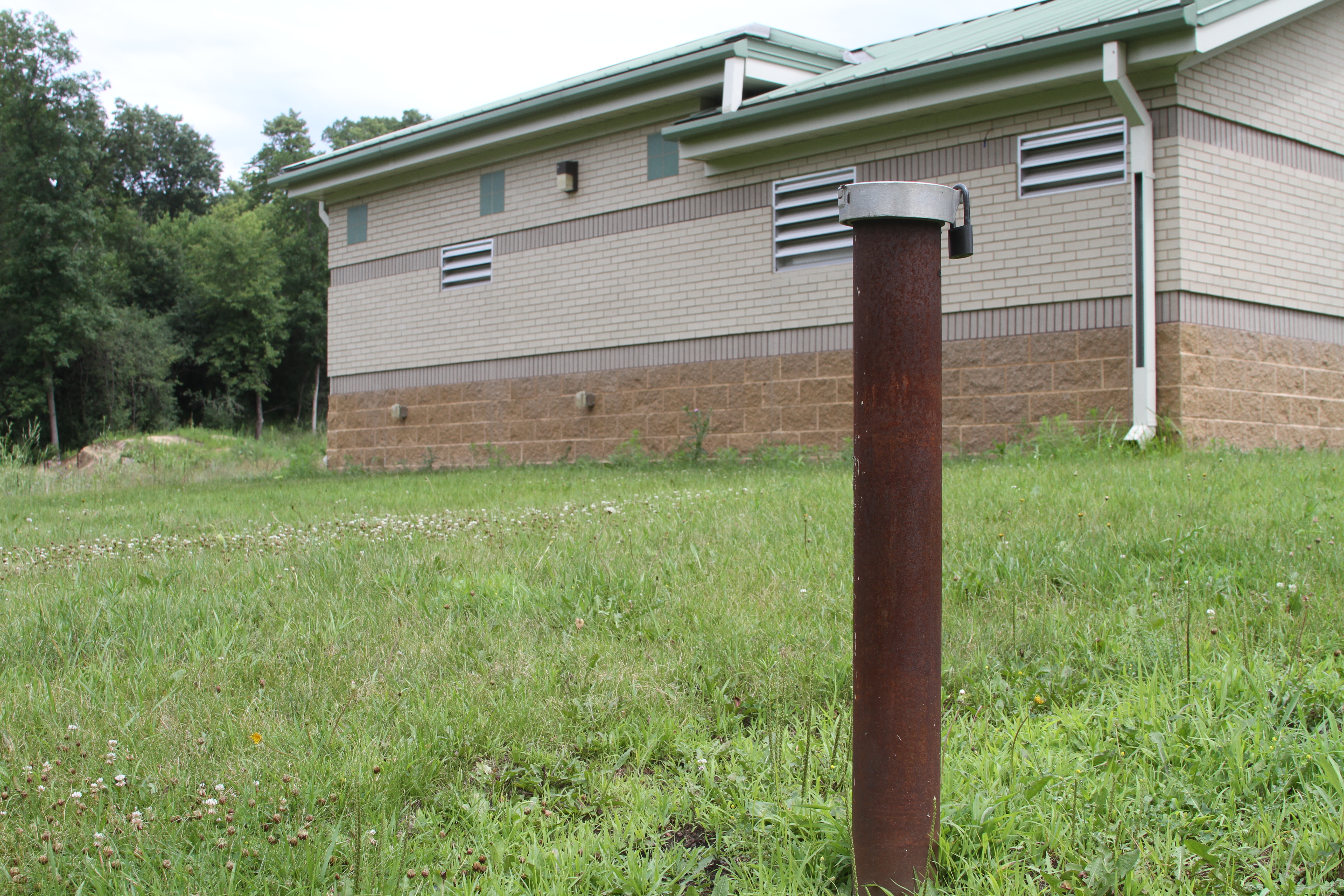
As Rochester grew, RPU added new supply wells to meet demand. When more water was needed, a new well was drilled and connected to the existing system. Today, about 30 wells supply water to homes and businesses across the City.
This approach served Rochester for a long time. Water from the Jordan Aquifer was clean enough that it did not require treatment to meet federal standards. As a result, Rochester never built a centralized treatment plant where all the City’s water is collected and treated before being delivered to customers.
What Has Changed
The system was not designed for the challenges Rochester faces today. Two major changes are driving the need to plan ahead.
Water Quality
Rochester's water is safe today. Water delivered by RPU meets all EPA primary drinking water standards, the federal requirements designed to protect public health.
But water quality standards continue to evolve, and regulators are monitoring new contaminants more closely than ever before. Since Rochester does not have a water treatment plant, there is no centralized treatment process that can be adjusted if future regulations change or new quality-related concerns emerge.
Rochester’s water also contains naturally occurring minerals such as iron and manganese. These minerals are not a health risk at current levels, but they can cause discolored water and leave stains on sinks, fixtures and laundry. RPU receives twice as many complaints about these issues as other water providers nationwide, largely because iron and manganese are not filtered from our source water.
Water Supply
Safe water is one part of the challenge. Making sure Rochester can continue to reliably provide enough water for homes, businesses and future growth is the other.
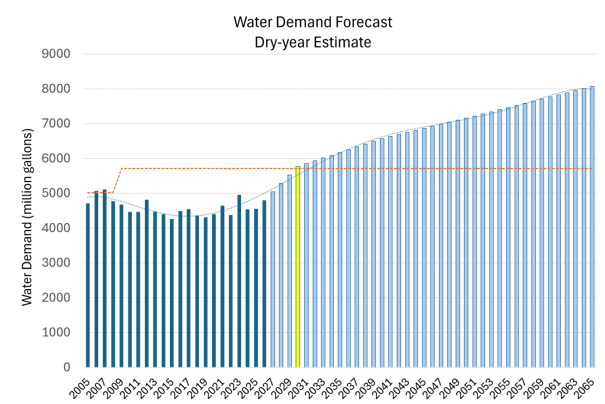
The State of Minnesota sets a limit on how much water Rochester can pump from the Jordan Aquifer each year. For Rochester, it is about 5.7 billion gallons a year.
The state sets limits because pumping too much water can lower water levels underground and reduce the flow of nearby streams and wetlands that depend on groundwater to keep running during dry times.
Rochester is nearing the state-set limit. The City already uses an average of about 4.8 billion gallons of water. During hot and dry years, water use increases significantly. If demand keeps rising, Rochester could reach the state’s pumping limit within the next five years.
In 2024, the Minnesota Department of Natural Resources (DNR) informed RPU that new wells cannot be built using the Jordan Aquifer unless other water sources are first evaluated. Before additional groundwater can be pumped, RPU must show that doing so will not harm the environment.
That is why RPU is studying how much water the aquifer can provide and what other water sources could help meet Rochester’s future needs.
Rochester has enough water today.
The challenge is to make sure the City has enough safe, reliable water for the decades ahead.
This Is Not Just About Growth
What RPU is facing is not a recent growth issue, but a long-term challenge involving water supply and quality. Growth has increased demand for water, but it did not create the overall challenges. Even if Rochester stopped growing today, we would still need upgrades and a plan for meeting future water quality standards.
Why We Are Starting Now
As Rochester grows and water quality standards evolve, the water system must be ready for the future.
Starting now gives us time to study options, share information with the community and spread projects and costs out over many years. Waiting would not make these challenges go away. It would only leave us with fewer options and higher costs.
See what RPU is studying now and what comes next.
Read the frequently asked questions.
Questions?
We want to hear from you. Email your questions or comments to waterfortomorrow@rpu.org.